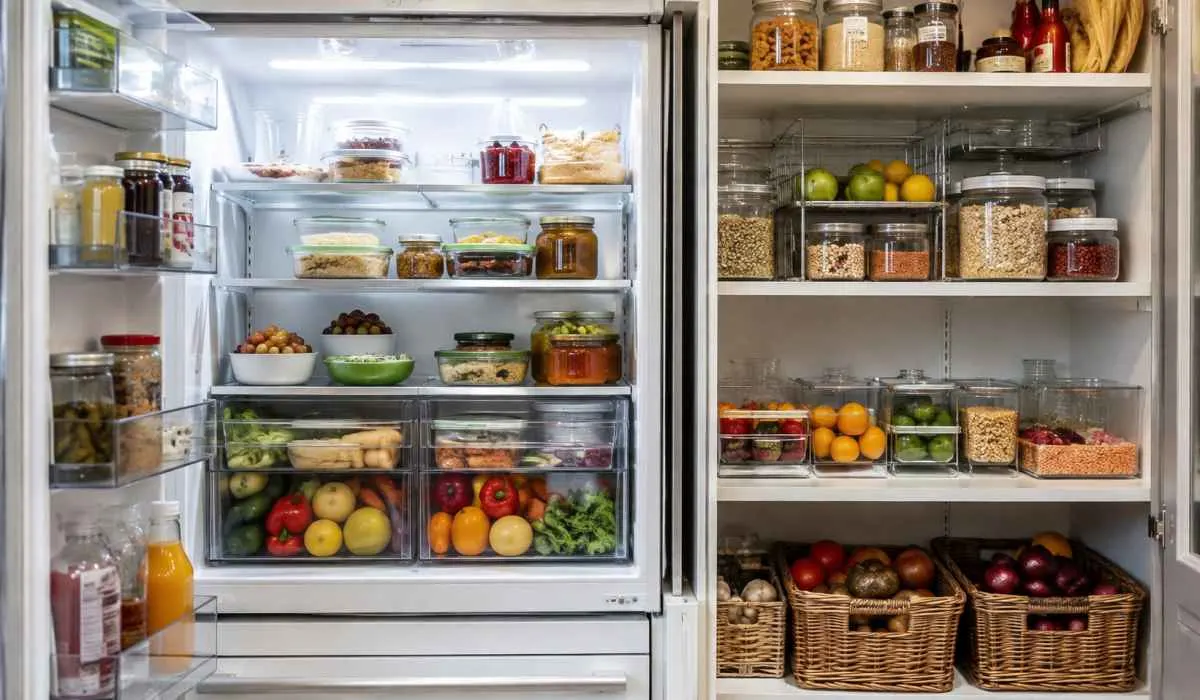
Knowing how long you can safely store food can help reduce waste and protect your family from foodborne illness. Foods can be stored well to keep for days, weeks or even months. But the storage time varies according to the food type, the package and the temperature of storage and whether the packaging has been opened or not. It is also essential that one knows the difference between the use by and best before dates.
Whether it's bacon and butter, canned food, cereal or baby food, simple food storage practices can keep food safe and fresh for longer. This guide discusses some helpful storage periods and handy food safety info.
Have your fill without getting ill
It is paid to know when to toss it risks of leaving you sick are posed by food that's expired, not only wasting money but potentially giving you Foodborne Illnesses too!
While eating stale food isn’t ideal for flavour, it can be lasted for even longer, sometimes much longer, than you think by proper storage techniques! Let’s examine the actual life spans of your favourite foods - from raw eggs to rich yoghurt - along with storage techniques.
Use by and best before dates: what do they mean?
A look around any supermarket throughout the world reveals that nearly all foodstuffs carry either a use by or best before date on the packaging - the significance of which depends on which part of the world you happen to be in.
So in Europe, Australia and the UK, use by means the last date that you should be eating the food as beyond it your product may well not be safe to eat. Foods with best before dates, on the other hand actually relate to the quality of the food, and therefore it should still not make you ill if you decide to eat it beyond this date.
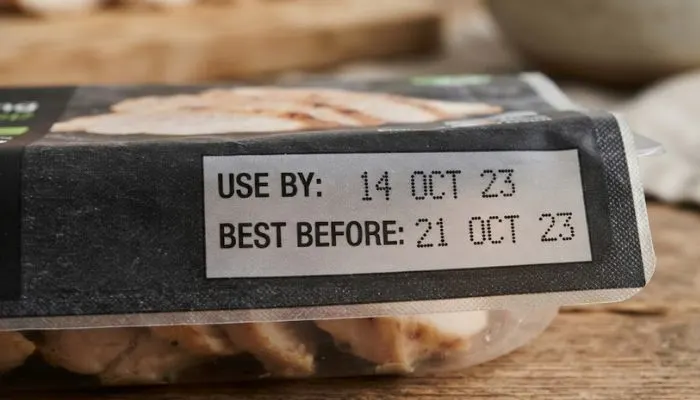
Use by and best before dates: what do they mean?
The situation is a little different in the U.S. As it is the last date on a food that would be the best for taste and quality; this date would not be for safety (except infant formula). The "use by date" on a food will signify the last day to be at its best quality.
If foods have a shelf life of under 90 days in Canada, then a "best before date" is mandatory, though many other products with a longer shelf life will still use the same date - these dates are not for safety purposes. Some foods with nutritional or compositional restrictions such as infant formula use "expiration dates."
Fridge and freezer know-how
Keep your food fresh at the ideal food storage temperature Food must stay cool to prevent the growth of harmful bacteria that cause food poisoning.
Always aim to keep your fridge temperature below 5C, preferably between 0–2C. If your household fridge does not include a temperature gauge, keep a fridge thermometer inside the unit and check regularly to ensure it shows between 0–2C. Set your freezer temperature at -18C – if you freeze foods at this temperature, they become completely inert to the activities of bacteria.
How long can canned food be kept for?
There was even an infamous 1974 experiment, where scientists examined a 40-year-old can of corn; the ’old’ corn appeared and smelt the same as the newly canned variety. However (a) don’t risk consuming it (and (b) remember that high acid cans -such as tomatoes and grapefruit- should not be eaten past 18 months, and low acid ones -fruit, veg and meat- up to 5 years. The caveat is never using food from badly dented, bulging or leaking cans.’
Baby food and formula
Baby's immune system is not yet mature, so do not take unnecessary food safety risks. Refrigerate and serve food within 24 hours of opening any jar or pouch that contains fish, meat or eggs.
Homemade pure/jars of food that are fruit or vegetables or their juice will last up to 2 days in the fridge. Use baby formula by the 'use by' date and keep liquidized formula in the fridge for 24 hours only.
Bacon
Some people like to add bacon to burgers or to serve it crispy with a couple of slices of toasted bread, but people often stock bacon as the go-to item in a fridge. While people normally package it with clearly labelled ‘use by’ or ‘best before’ dates, bacon often lasts around a week in the fridge.
If you buy a packet and feel like you will not get through it in time, then you can make the fridge slightly larger as you can easily freeze bacon for a month.

Butter
Although you can typically see this buttery best in your local shop’s chilled compartment, did you know that you can freeze your butter in the freezer for up to 9 months?
Although if you tend to slather your butter on the toast on a daily basis, storing your butter in the fridge (which is viable for approximately one to two months) will be more practical. Luckily, you can easily ascertain whether your butter is on the verge of turning with a simple sniff and sample of the product before consumption!
Cereal
How many half full packets of cereal do you have in your kitchen cupboards? Cereal usually has an ample best before or best by date and if you pass this date it will still be safe to eat (though maybe slightly stale!). Add a packet clip and store your cereal in a cool dry area to make it last as fresh as possible.
FAQs
1. How long can food safely stay in the fridge?
It depends on the type of food. Keep the fridge at 5°C or below and follow the storage instructions on the package. Foods with a use-by date should not be eaten after that date.
2. What is the difference between use by and best before?
A use-by date is mainly about food safety. A best-before date is mainly about quality, such as taste, texture and freshness. Always follow the specific instructions on the package.
3. How long can bacon stay in the fridge?
Bacon can generally last for around one week in the refrigerator, depending on the product and packaging. If you cannot use it in time, freezing can help extend its storage life.
4. Can butter be stored in the freezer?
Yes. Properly wrapped butter can generally be frozen for up to about nine months. Refrigerated butter can usually last around one to two months, depending on storage conditions.
5. Is cereal safe to eat after its best-before date?
Dry cereal can often remain safe after its best-before date when it has been stored properly in a cool, dry place. However, its taste and texture may become stale. Check for unusual smells, moisture, mould or signs of pests before eating.