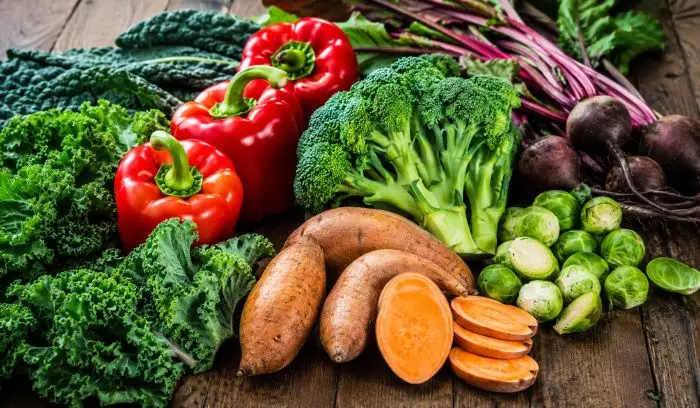
Not all vegetables offer the same mix of vitamins, minerals, fiber, and plant compounds. Understanding the best and worst vegetables according to nutritionists can help you make smarter choices without removing vegetables from your diet. Dark leafy greens, broccoli, Brussels sprouts, peppers, and sweet potatoes are known for providing a wide range of useful nutrients.
However, the way vegetables are prepared can also affect their nutritional value. From vitamin C-rich red peppers to fiber-packed kale, each vegetable has something valuable to offer. This guide explores nutritious vegetable choices and explains how to enjoy them as part of a balanced everyday diet.
Not all vegetables were created equal
Everyone’s heard of the ‘five-a-day’ but did you realise that some vegetables are more nutritionally valuable than others? To shed light on vegetable nutrition, we teamed up with a renowned nutritionist to break down what each veg contributes to a healthy balanced diet – plus the other nutrients that compromise how helpful they can be. Here's which greens to stuff yourselves with and which ones are practically the food equivalent of a sugar rush.
Read More: Terrific Toast Toppers: 10 Delicious Ideas to Try
Kale
Rounding off our health-foodie hot-list, we’re kicking off with kale. When it comes to ease and availability, this fibrous leaf is pretty unbeatable. "Kale is for a good reason," explains registered nutritionist GQ Jordan, "It is bursting with vitamins A, C and K, while also being a rich source of antioxidants such as quercetin perfectly nourishing for your body's immunity system."
Keep a bag of chopped kale ready in the fridge for adding to any meal from stews, soups and curries to stir-fries and noodle dishes.
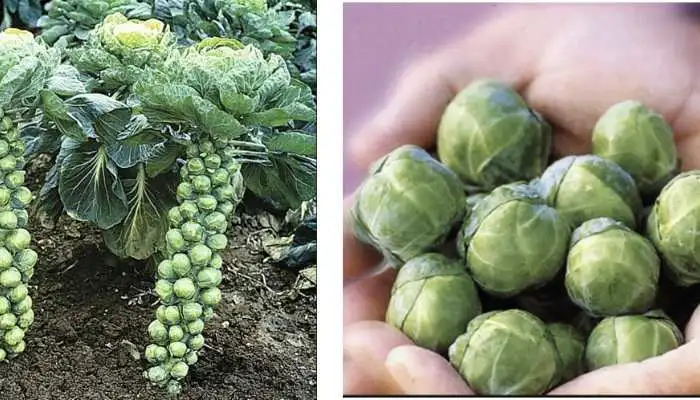
Brussels sprouts
Next time you encounter these common Brassica veg, heap them on your plate! Sprouts provide important amounts of vitamin K, crucial for blood clotting and healthy bones and vitamin C, which is vital for iron absorption and immunity.
Furthermore, they offer a lot of anti-cancer benefits and a massive amount of fibre almost twice that in carrots so don't cook away their nutrition! Steam lightly to optimize benefits. If you (or any household member) don't care for them, finely slice leaves and use them in a stir-fry!
Bok choy
Bok choy (also known as pak choy, amongst other varieties of Chinese cabbage like napa or tatsoi) will prove too beneficial to be removed from your diet.
It’s not only jam packed with calcium, iron, vitamins A, C and K, but extremely versatile and easy to prepare: toss it into a stir fry with your favourite sauce or spices and you get the advantage of boosting your immune system, producing red blood cells, clotted and steady blood flow and hard bones! Try the baby version, if possible, it has more nutritional punch.
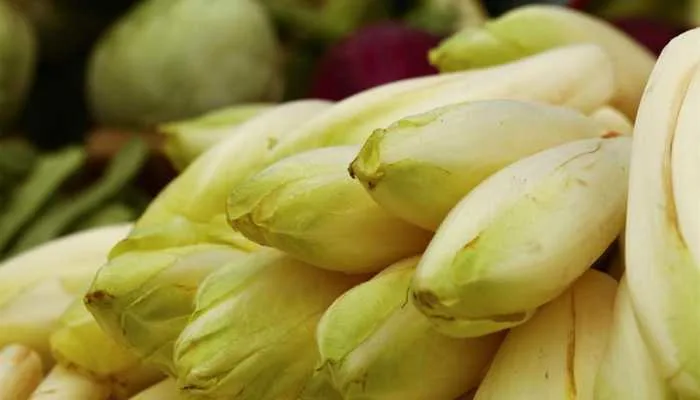
Chicory and endive
This close relative of radicchio with its fellow greens contributes a somewhat bitter flavor and a bit of crunch to a mixed salad. The strong leaves provide a good option for stuffing or serving and cook well when roasted, grilled, or sautéed.
They pack folate (vitamin B9), which is important in forming red blood cells, as well as a reasonable amount of potassium - 10% of the recommended daily intake in 3.5oz (100g) and a good source of other vitamins and minerals.
Broccoli
Broccoli’s power? The antioxidants, vitamin C and K, it’s packed with, however that’s not the only win! “Broccoli’s wonderful for promoting detoxification due to the anti-inflammatory qualities it possesses: sulforaphane,” explains Jordan, who says it bursts with fiber to aid healthy digestion.
“And if the classic florets don’t spark delight for you personally… try long-stemmed broccoli as the vessel, steamed, roasted or take them RAW, using a zesty dip.
Red peppers
Battling virus?
Jordan said, "Red peppers offer many benefits including their strong content of vitamin C, which surpasses even oranges. They also fortify your immune system and provide a great source of the same carotenoids you find in the carrots, benefiting healthy skin and vision."
A segment portion of the red pepper gives you three times more vitamin C, which heat and/or air often ruin. Therefore, eat yours raw.
You May Also Read: Best Heinz Products of All Time Loved Worldwide
Sweet potatoes
Perfect for baking, mashing, or chunking up into wedges, sweet potatoes deliver great amounts of beta-carotene (the plant version of vitamin A), which is crucial to healthy vision, our immune system, reproduction, growth and development, and we want plenty of it; make sure you use the skins as this is where a good portion of our vitamin C and potassium also resides and the fiber.
A high fiber diet also reduces the risk of heart disease, stroke, type 2 diabetes and bowel cancer, so don't chuck that peel in the bin!
Swiss chard
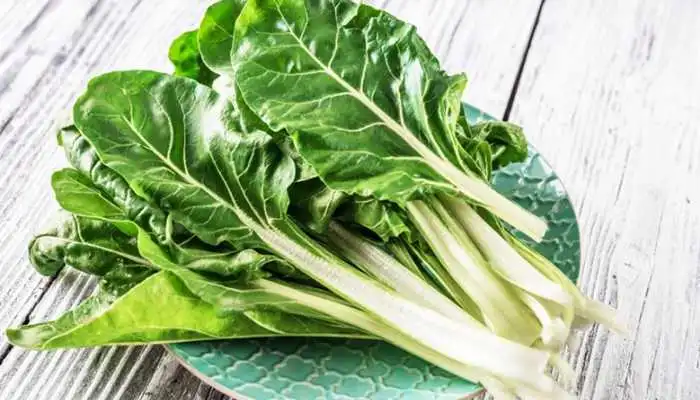
Whatever leaves the plant is dark green; you can be fairly sure it belongs on your plate. Swiss chard leads the way when it comes to the vitamin K content of leafy greens, but it also packs a plethora of vitamins A, C, and magnesium. As if that wasn't enough to tempt you, it generously offers iron, calcium, manganese, and vitamin D, while also being rich in potassium and fiber.
All this amazing nutrition will effectively help to nourish the health of your bones, heart, and digestion, and since you can easily incorporate it into salads, soups, and stews, you will find that there is no need for it to be at all boring. You could simply steam or sauté it to serve up a delicious dish.
FAQs
1. What are some of the best vegetables to eat?
Kale, broccoli, Brussels sprouts, bok choy, red peppers, sweet potatoes, and Swiss chard are excellent choices because they provide important vitamins, minerals, fiber, and beneficial plant compounds.
2. What is the healthiest vegetable?
There is no single healthiest vegetable. Different vegetables provide different nutrients, so eating a variety of colorful vegetables is a better approach to a balanced diet.
3. Are some vegetables considered the worst?
Rather than calling a vegetable “bad,” nutritionists generally consider its overall nutrient content and preparation method. Vegetables that are heavily fried or covered in high-calorie sauces may be less healthy than simply cooked versions.
4. Which vegetables are high in vitamin C?
Red peppers, broccoli, Brussels sprouts, kale, and other vegetables can provide substantial amounts of vitamin C. Eating some vegetables raw or lightly cooked can help preserve this heat-sensitive vitamin.
5. How should vegetables be prepared for better nutrition?
Steaming, roasting, sautéing, or eating suitable vegetables raw can be healthy preparation methods. Avoiding excessive frying and overcooking can help maintain nutrients while keeping meals balanced.